https://www.youtube.com/watch?v=fDe4FXUf1Hk
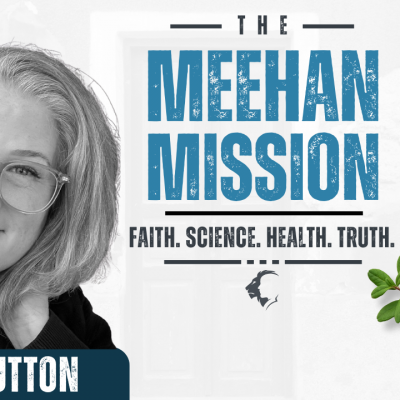
Cathy Meehan: Welcome to the Meehan Mission, where we explore the intersection of faith, science, truth, and health, and we empower families to take ownership in their wellness. Today in studio, we are joined by our very own natural health consultant, Meg Sutton. So Meg is going to talk to us about building a resilient immune system because, face it, many of us will encounter an illness.
Cathy Meehan: But what do we do to make sure that that duration of illness is short and we bounce back after we’ve been sick? And we’re also so excited because we are introducing the Meehan, MD wellness program. And guess what? The Adult Natural Health Guide is now available. So this is designed to help families decide when do we need to call the doctor, or when can something be taken care of at home?
Cathy Meehan: We’re going to give you the tools and the resources to help you make those decisions. So for now, let’s get started and let’s talk to Meg.
Cathy Meehan: Hello everyone, and welcome to another edition of the Meehan Mission Podcast. Today’s guest, the one and only Meg Sutton, our natural health consultant. And for those of you who have already met with Meg, you know what a brilliant mind she has. Because if you want to talk natural, holistic supplements, she is the go-to, and we are so thankful that she is part of our Meehan MD team. So, Meg.
Cathy Meehan: Today I would love to talk to our community about building a robust immune system because everybody’s getting sick all the time, but what do we do to prevent that? And then the other part of this podcast is we are actually introducing the Meehan MD Wellness Program. You guys, it’s the Adult Natural Health Guide that we’ve all been waiting for. And finally, it is ready and available. But let’s start in the beginning, and that’s the immune system and when we get sick. So what do we got?
Meg Sutton: So I wanted to back that up a little bit because when people get sick, they automatically think that their bodies are failing us.
Cathy Meehan: But it’s the total opposite.
Meg Sutton: Our bodies are made beautifully. We were designed beautifully to handle toxins, to detox properly. And I think of it more of a sign as our body working as it’s supposed to be.
Cathy Meehan: So when we get sick.
Meg Sutton: We want to support our bodies. The problem is, if you’re constantly sick, that can be where there’s a true issue going on, and we need to look at it. As kind of a rule of thumb, once or twice a year sickness, I think of a great detox. And so we want to support our body. If it’s more than that, then we need to look at kind of a deeper thing. But to support our immune system, it’s all about what we eat, reduce toxins. And we know that we live in a toxic world. The products we use on our
Cathy Meehan: skin, the foods we eat, the water we
Meg Sutton: drink. Let me go down that whole topic.
Cathy Meehan: All of those
Meg Sutton: things have toxins in it. And it’s our bodies are constantly trying to detox that out. Sometimes we’re unfortunate, and it’s stored for us to be able to detox at a later time. But we’re supposed to support our system, make sure we’re getting the appropriate nutrients, making sure we’re hydrated properly, and we reduce those toxins. So, how do you support your immune system typically?
Cathy Meehan: Well, number one, you talked about nutrition. And you would think that somebody’s trying to, like, kill us when you have to talk about all of these environmental things. We’ve got the preservatives in our food, the seed oils, the dyes, even like the BPA on receipts that’s disrupting our endocrine system. And I always like to tell people, you can’t live in a bubble, but if we can reduce toxins, then we can also do things to support our immune system, which I think number one, it’s nutrition. You really got organic, whole foods, read labels. I mean, that is the most basic. Or don’t get anything that has a label. Let’s step it back.
Meg Sutton: So I always tell people, if God did not make it like that, then rethink eating it. I know that’s kind of hard in this world, but let’s go back to the beginning. What did God create, and go with those foods.
Cathy Meehan: Yeah. But if you
Meg Sutton: do need to read labels, look for things like those dyes. And now they’re hiding certain words like monosodium glutamate. They’re changing that to
Cathy Meehan: hydrolyzed
Meg Sutton: yeast extract and stuff like that. So you kind of have to play this game of what are we really looking at? So if there’s more than five ingredients, you might want to put it away. Or if you don’t know the ingredients or can’t say the ingredients, maybe skip it.
Cathy Meehan: Maybe skip over it. Or make it yourself. I definitely start nutrition-wise. And then the other part of that equation is a lot of our foods, even the healthy organic foods, they’re lacking the nutrients and minerals and vitamins and everything. So I know for me, my staple is vitamin D. That’s my staple, is vitamin D, to support my immune system. And I know that you kind of feel that vitamin D is very
Meg Sutton: important. Very, very important. It’s important in regulation, but you also need the co-factors with it. For instance, magnesium is fantastic with it. It activates the vitamin D. Then you have vitamin
Cathy Meehan: K, which helps
Meg Sutton: direct the calcium and the vitamin D of where to go. So you kind of have to, I don’t necessarily like singular vitamins or nutrients because there’s so much more to it. And that’s why we have something like vitamin D or optimal vitamin D that has the vitamin K in it. And that’s going to get it where it needs to go.
Cathy Meehan: Good point. Good point. And that’s where I want to go back, that you actually answer questions for people when it comes to the supplements that they are taking. So that’s an added benefit that people get, is Meg as a resource. If you have questions, she can help you with that. And also sometimes she’ll take, if you’ve got a long list of supplements, she can actually help condense that into it, because the goal
Meg Sutton: isn’t to take a million supplements. Our goal is, you know, vitamin D, most likely you’re not getting it from the sun that you need,
Cathy Meehan: so it
Meg Sutton: you might need to supplement
Cathy Meehan: with it.
Meg Sutton: Vitamin D from the sun is fantastic. I’m a big proponent of the sun, and we’ll have to have another podcast on sunscreens and the toxins there. But I love the sun in moderation. Obviously I’m fair-skinned, so I’m probably good with five or ten minutes a day. But vitamin D, that’s going to be crucial. It’s going to be great for your immune regulation, and I think it’s highly important to add to your diet.
Cathy Meehan: Yeah, that’s one of the staples I know. And some people even actually have a hard time absorbing it. Absorbing it. Yeah, that’s the word I was looking for.
Meg Sutton: Well, when we do genetic testing, genomics testing, a lot of patients have a variant in the vitamin D receptor. It’s VDR, and that’s the specific gene. And so that kind of makes it a little harder for them to absorb vitamin D, so they need support. And magnesium is highly recommended, as well as sulforaphane. That’s one that is recommended to help open up those vitamin D receptors. So that’s something that we’ve noticed on that testing on a lot of patients, and so that’s something that we’ve kind of recommended more and more.
Cathy Meehan: That sounds good. So talking about keeping our immune system healthy, one way is to eat natural whole foods, obviously supplement where you need to. My go-to is vitamin D. So let’s talk about when people start to feel sick. What are some early signs? And you talked about how our body is built to work with our own immune system when you do get sick. So, you know, sometimes I sneeze, I cough, I have gastrointestinal issues. Is that, what’s that? What’s my body telling me when I do those things?
Meg Sutton: You’re either not eating the appropriate foods for that timeframe. It could be that you have an overabundance of toxins that your body’s trying to slough off. I know even environmental issues. A lot of people here in Oklahoma, we have a lot of pollen, a lot of allergies. And so that might be something you’re experiencing there. But vitamin C is a fantastic way to support that as well, your immune system. So whenever me or my family get sick, number one, like we said, nutrition. I watch what we eat. I cut dairy, I cut any processed foods.
Cathy Meehan: We try to go back to the basics
Meg Sutton: and eat whole foods, vitamin C-rich foods, vitamin D-rich foods and supplements.
Cathy Meehan: And then we just cut sugar.
Meg Sutton: Oh, 100%. Yeah. Cut sugar, cut dairy, even like breads and stuff, anything that’s heavy. You want something that your body can easily digest. And we actually do congee a lot, and I don’t know if a lot of people are familiar with that.
Cathy Meehan: You do what?
Meg Sutton: It is an Asian dish, if I remember correctly. Basically it’s like congee, congee, C-O-N-G-E-E. And it’s basically like a rice porridge, but it’s so easy on your body, and I make it with my bone broth. It’s so easy on your body.
Cathy Meehan: You can add carrots if you want. Or you can just eat it
Meg Sutton: like that, and then your body, it just gives it a rest and it gives you some of the nutrients it needs. But one thing that is important is rest. Rest and hydration.
Cathy Meehan: So hydrate the body, get the supplements you need,
Meg Sutton: and give
Cathy Meehan: yourself
Meg Sutton: some patience. So many people are like, I need to work, I need to do this.
Cathy Meehan: I have this to-do list. Well, if you’re sick, if you’re getting
Meg Sutton: sick, that’s your body telling you, whoa, we need to stop, and we need to rest. We need to kind of concentrate on just supporting your body and getting better.
Cathy Meehan: And typically I give it about three days.
Meg Sutton: Three days is kind of normal for our family when we’re sick, onset of sickness to getting better. And so give yourself patience in that time.
Cathy Meehan: So great advice. And not only is that great advice, but what a great segue into the Adult Natural Health Guide. Oh yeah, this is exciting, you guys. We get questions all the time, and number one is like, how do I know how sick I am or when I can handle it at home, or when do I need to call the doctor? You know, how do we manage some of the really common illnesses and sicknesses from our home? And you know, if you remember Jim Meehan, MD, my dear husband, he was always the scientist. I just love health. So Meg, in conjunction with Jim and Dr. Lakin, created the Natural Health Guide, and this was a labor of love. I really like this because
Meg Sutton: this is kind of my brain coming together and sharing kind of what I do in my family to help anything from colds and flus to insect bites, sprains, minor burns, fevers, coughs, you know, and support it, not combat it. You’re supporting it.
Cathy Meehan: Good point.
Meg Sutton: It also has some great recipes. So I was telling you about congee, it’s not in here, but I do have some great homemade chicken soup recipe, and it’s super, super easy. And I’m amazed about how many people don’t actually make their own homemade chicken soup. That Campbell’s, that’s not where you get your nutrients.
Cathy Meehan: Read the label. Yeah, read the label on the soup or in the stores, and you will not want to get those. Okay, so let’s talk about it. Chicken noodle soup when you’re sick.
Meg Sutton: Or leave the noodles out.
Cathy Meehan: Seriously, I just want to talk about that. We’re going back to natural holistic care to support your system when you’re sick. And these are things that grandma did before the pharmaceutical industry came in, because we have to get back to that place, everyone, where we are not just managing disease, you know, with a pill for every ill, but we are actually helping support our body. And every little section in there talks about when to call the doctor.
Cathy Meehan: Yes, because that’s very important. And so what we’ve created is the Meehan MD wellness program, and I’m telling you, it is phenomenal. And I just want to share with everybody. It’s the Meehan MD…
Meg Sutton: I mean, it comes in a beautiful box.
Cathy Meehan: And what do you get in that? You get tools. These are tools that are essential because when you know your numbers, you’re not going to panic.
Meg Sutton: Well, it comes down to information is power.
Cathy Meehan: Yes. When you have more information, the better.
Meg Sutton: And when you jump on it sooner than later, that’s even better.
Cathy Meehan: Yeah, that’s even better. But we give you the tools like a blood pressure cuff that everybody should have and a pulse ox, so we can measure oxygen saturation and heart rate. The coolest little device, this is an otoscope that literally connects to your phone with a downloadable app. Yeah, you can look inside ears. You can look inside your friend’s ears.
Cathy Meehan: Yeah, we did this around the office. Look up the nose, down the throat, or on skin lesions. It is just incredible. It comes in an adorable little packet. And you guys, it is essential for every home. And it comes with the Natural Health Guide. So just reach out to the office. You can go meehanmd.com and give us a call, and we can get you all set up on that.
Cathy Meehan: But it’s, you know, again, Meg, people get sick. Yeah. And that’s okay, and that’s okay. It’s okay. It just means pause.
Meg Sutton: Pause, rest. And, rest, you know, give yourself some time and
Cathy Meehan: make sure you support your immune system.
Meg Sutton: Yes.
Cathy Meehan: And just absolutely, people, if you need help, you need anything, reach out to us, meehanmd.com. We appreciate you all so much, and we just want to continue educating, supporting you. Please, of course, you know, share and like and do all those fun things. Please. And we’ll catch you next time on the Meehan Mission Podcast.
Cathy Meehan: Thanks, guys.